
UCLA advances new treatments for hereditary kidney cancer
UCLA professor Heather Christofk’s research into the genetic mechanisms that drive tumor growth has helped uncover promising new treatment approaches for one of the most aggressive forms of hereditary kidney cancer.
“We are hopeful that our research will not only offer new therapeutic options but also pave the way for preventive strategies that could significantly improve the quality of life for those affected by this challenging condition,” Christofk said.
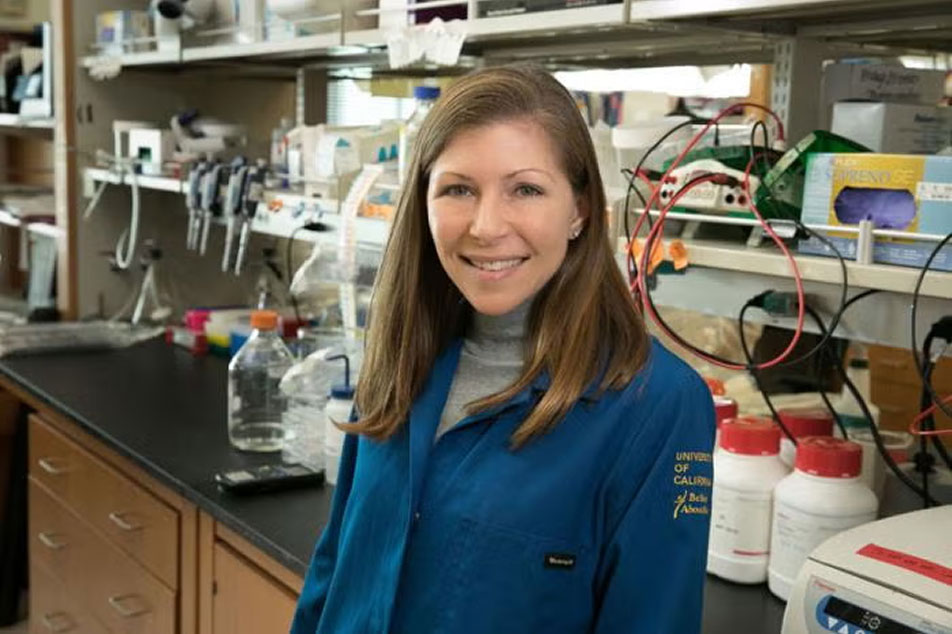
The condition, known as hereditary leiomyomatosis and renal cell carcinoma (HLRCC), is a rare inherited syndrome that affects an estimated 1 in 200,000 individuals. It can cause tumors in the skin and uterus, and 15% to 30% of patients develop a highly lethal form of kidney cancer that resembles Type 2 papillary renal cell carcinoma. HLRCC tumors grow and spread faster compared to other hereditary kidney cancers because they rely on a metabolic process called the purine salvage pathway. Christofk, whose research focuses on the relationship between cancer and metabolism, has spent years investigating how genetic mutations associated with HLRCC fuel tumor growth and identifying ways to target those vulnerabilities.
With funding from the National Cancer Institute and other cancer research organizations, Christofk and her team at the UCLA Health Jonsson Comprehensive Cancer Center have helped establish the biological link between HLRCC-associated mutations and tumor development. Building on those discoveries, Christofk co-led a 2024 study demonstrating the potential of the drug 6-mercaptopurine (6MP) to target a key metabolic pathway that HLRCC tumors depend on for growth. Although 6MP is commonly used to treat inflammatory disorders or certain blood cancers, the findings suggest it may have potential as a targeted therapy for patients with HLRCC.
“By discovering which genetic variants increase the risk for conditions, we can possibly prevent them from occurring with medical intervention or surveillance to reduce risk of disease manifestations and/or minimize potential harm,” Christofk said.
In addition to leading her laboratory at UCLA, Christofk serves as a professor of biological chemistry at UCLA’s David Geffen School of Medicine and directs basic and translational research at the UCLA Health Jonsson Comprehensive Cancer Center. In recognition of her significant contributions to disease prevention, Christofk received the National Institutes of Health Director's New Innovator Award – one of the most prestigious research grants in her field.
This federal funding and other financial backing have enabled Christofk to continue her study of the metabolic mutation behind this highly lethal kidney cancer syndrome. For patients who previously faced limited treatment options and no effective prevention strategies, her work has made new, life-saving therapies available that combat these aggressive forms of cancer.